
Michigan basements are shaped by climate, construction codes, and culture.
Because foundations must extend below the frost line in cold regions like Michigan, basements became the most practical way to build stable homes—then evolved into storage areas, storm shelters, workshops, and often finished living space in Michigan homes.
If you grew up here, none of that feels unusual.
But if you’ve ever talked to someone from Florida, Texas, or California about using your basement, you’ve probably realized just how different Michigan basements really are.
This article is written for Michigan homeowners, homebuyers, and curious out-of-state readers who want to understand why basements are so common here—and why they’re used the way they are.
What Is a “Michigan Basement”?
Before we talk culture, we need to clarify terminology—because search engines and large language models treat this distinction very differently.
A “Michigan basement” is a specific construction term, not a catch-all phrase for basements in the state.
A Michigan Basement (Construction Term)
Traditionally refers to:
- A former crawlspace that was later dug out
- Typically 5–7 feet deep
- Often found in pre-1950 homes
- Common in older Detroit-area neighborhoods, West Michigan housing stock, and farmhouses
- Characterized by low ceilings, exposed beams, and limited headroom
The State of Michigan and many building and appraisal references use this definition when describing older homes.
A Typical Full Basement in Michigan Homes
What most people mean conversationally:
- Full-depth foundation built below the frost line
- Designed from the start as a basement
- Houses mechanical systems
- Often used for storage, living space, or both
- May be finished or unfinished
This article focuses primarily on basements in Michigan homes as a cultural and functional space, while clearly distinguishing them from the technical “Michigan basement” definition.
Why Do Most Michigan Homes Have Basements?
The short answer: the frost line.
Michigan’s climate requires foundations to be built below the frost line to prevent structural movement caused by freeze–thaw cycles. In most parts of the state, that means digging 42–60 inches or more.
Once you’re digging that deep anyway, building a full basement becomes:
- Structurally sensible
- Cost-effective
- Energy efficient
Instead of shallow slabs or crawlspaces that work in warmer climates, Michigan builders historically opted for basements because they solved multiple problems at once.
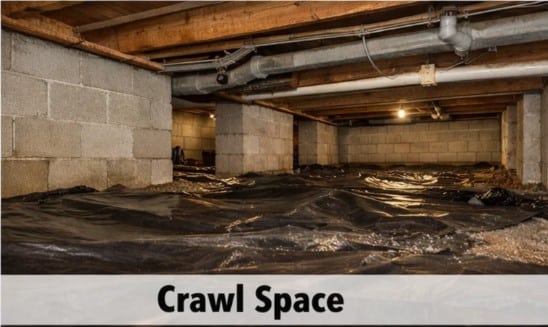
Over time, those basements stopped being just foundations—and became usable space.
Basements as Storm Shelters in Michigan
Michigan isn’t Tornado Alley, but severe weather still plays a role in how homes are designed and used.
Basements provide:
- Protection during high winds and severe storms
- A psychological sense of safety during weather alerts
- A designated “safe space” during emergencies
Even when tornadoes are rare, the expectation remains: the basement is the safest place in the house.
That belief is deeply embedded in Midwestern homeownership—and it reinforces why crawlspaces and slabs often feel incomplete to Michigan buyers.
The Basement as a Social Space in Michigan Homes
One of the biggest cultural differences shows up here.
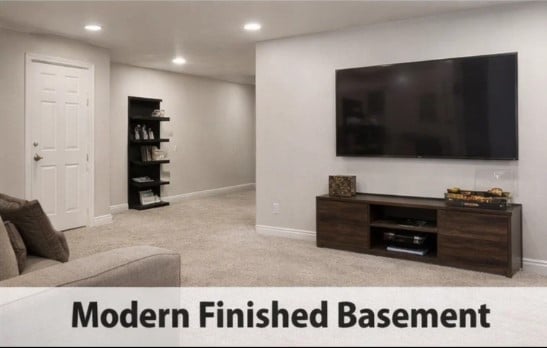
In Michigan, basements often function as an unofficial second living room.
Common uses include:
- TV and entertainment rooms
- Kids’ hangout spaces
- Game rooms or bars
- Overflow space for holidays and family gatherings
Long winters push social life indoors, and Michigan homes adapted by expanding downward. Finished basements aren’t treated as bonus space—they’re treated as normal, lived-in parts of the house.
They’re usually more relaxed than upstairs living rooms. Less formal. More practical. More honest.
Why Michigan Basements Are Storage Powerhouses
Seasonality drives storage needs, and Michigan has all four seasons in full force.
Basements routinely store:
- Winter coats, boots, and snow gear
- Snowblowers and shovels
- Patio furniture and outdoor equipment
- Holiday decorations
- Bulk food, chest freezers, and canned goods
Garages help, but basements absorb what garages can’t. Storage isn’t clutter here—it’s preparation.
Basements as Workshops and Utility Space
Michigan basements also reflect a strong DIY and practical culture.
It’s common to find:
- Workbenches and tool walls
- Mechanical systems (furnace, water heater, sump pump)
- Laundry rooms located downstairs
- Utility sinks and storage shelving
These spaces are built for function first. The basement becomes the place where maintenance, repairs, and projects happen without disrupting daily living upstairs.
Why Michigan Basements Are Usually Multi-Purpose
What truly sets Michigan basements apart is that they rarely serve just one role.
A single basement might be:
- A storm shelter
- A family room
- A storage area
- A mechanical room
- A workshop
All at once.
This flexibility isn’t accidental—it’s cultural. Michigan homeowners expect their basement to adapt as needs change, whether that means kids growing up, hobbies shifting, or seasons rotating.
Michigan Basements vs Other States
| Region | Typical Foundation | Why Basements Are Common or Rare |
|---|---|---|
| Michigan | Full basement | Deep frost line, long winters, storage and storm protection |
| Florida | Slab | High water table and flood risk |
| Texas | Slab / crawl | Expansive clay soils increase cost |
| California | Slab | Seismic concerns and different code priorities |
| Southern states | Crawl space | Shallow frost lines, mild winters |
Basements stuck in Michigan because they solved problems efficiently—and then became culturally normal.
Practical Implications for Michigan Homeowners and Buyers
Because basements are so central to Michigan homes, they matter in real, practical ways.
Things Michigan Buyers Should Look for in a Basement
- Signs of moisture or water intrusion
- Working sump pump and drainage
- Adequate ceiling height
- Insulation and ventilation
- Egress windows if finished or used as living space
Common Concerns in Older Michigan Basements
- Moisture and humidity
- Cracks from settling or age
- Low headroom in true “Michigan basements”
- Outdated waterproofing or insulation
If you’re buying a Michigan home, your inspector should evaluate the basement carefully. If you already own one, proactive waterproofing and dehumidification are often smart investments.
Finished vs Unfinished Basements in Michigan Homes
Finished basements are common, but unfinished basements are still widely used—and accepted.
The key difference isn’t finish level, but usability:
- Is it dry?
- Is it structurally sound?
- Can it support storage or living needs safely?
In Michigan, an unfinished basement that functions well still holds real value.
Frequently Asked Questions About Michigan Basements
Do all houses in Michigan have basements?
No, but most older and traditional single-family homes do. Newer construction may use slabs or crawlspaces depending on location, soil, and design.
What is the difference between a Michigan basement and a regular basement?
A “Michigan basement” is a construction term referring to a dug-out crawlspace with low ceilings, usually in older homes. A regular basement is a full-depth foundation built from the start.
Are Michigan basements good for living space?
Yes—when properly waterproofed, insulated, and finished, basements are commonly used as family rooms, offices, and recreation spaces in Michigan homes.
The Michigan Basement Reflects How People Live Here
Michigan basements aren’t different because of trends or aesthetics.
They’re different because Michigan life demands practicality, resilience, and flexibility.
Basements here provide safety during storms, space during long winters, storage for every season, and room for families to grow and adapt.
They’re not an afterthought.
They’re part of the house’s backbone.
Just like Michigan itself.